Therapy for Asian Adults in NY and California
Find culturally-attuned support to navigate your personal journey with confidence, self-compassion, and a strong sense of belonging.



Many Asian & Asian American adults come to therapy with:
Feelings of being stunted in romantic relationships as a result of having to hide this part of their life from family
Prohibitively high standards for themselves that make it difficult to experience a sense of accomplishment
Anxiety, overthinking, or chronic self-criticism that mirrors the voice of parents
Difficulty identifying or prioritizing their own needs due to strong feelings of responsibility to meet family expectations
Patterns of financial, physical and emotional caretaking for parents, siblings or other family members
Guilt or fear around setting boundaries with family due to hierarchical, respect-based cultural values
Conflict with family members resulting from differences in acculturation experiences
How multi-cultural therapy can help

Individual therapy offers a safe and culturally responsive space to explore how your upbringing, culture, and life experiences have shaped the way you relate to yourself and to others—and how you might want things to change.
In therapy, we work together to help you:
Understand the roots of perfectionism and people-pleasing as connected to roles fulfilled in your family system
Build boundaries that feel respectful, culturally appropriate and self-honoring
Process intergenerational trauma, family expectations and their impact on identity formation
Develop a more compassionate inner voice
Clarify your identity, values, and sense of agency
Our team will use the following modalities to support you

Our clinicians are experienced in working with clients from diverse Asian and South Asian backgrounds and understand how culture, immigration histories, and family systems intersect with mental health.
We integrate evidence-based approaches while remaining deeply attuned to cultural context
-
Cognitive Behavioral Therapy (CBT) is a structured, goal-oriented therapy that focuses on identifying and changing negative thought patterns, emotions, and behaviors. For adult children of immigrants, CBT offers tools to challenge internalized beliefs and navigate the complexities of a multicultural identity.
How CBT Can Help:
Challenging Internalized Expectations: You may feel pressure to meet high expectations, such as achieving academic or career success, while also fulfilling familial duties. CBT helps individuals identify and challenge beliefs like, “I have to succeed to be worthy” or “I can’t disappoint my family,” and replace them with more balanced perspectives.
Addressing Guilt and Shame: The sense of responsibility to honor parents’ sacrifices can lead to guilt or shame when personal desires conflict with cultural or familial expectations. CBT helps process these emotions and establish healthier boundaries.
Navigating Identity Conflicts: Straddling two cultures often creates feelings of “not being enough” for either. CBT provides tools to explore and embrace one’s multifaceted identity, reducing feelings of isolation or inadequacy.
Managing Perfectionism and Anxiety: CBT equips individuals with strategies to challenge perfectionistic tendencies and reduce anxiety stemming from high self-imposed or external expectations.
Techniques in CBT:
Thought Records: Tracking and reframing self-critical or guilt-driven thoughts.
Cognitive Restructuring: Challenging and replacing rigid beliefs with compassionate alternatives.
Behavioral Experiments: Exploring new ways of setting boundaries or expressing individuality.
-
Somatic Experiencing (SE) is a body-focused therapy that addresses the physiological impacts of stress and trauma. SE can help process intergenerational trauma and the bodily stress linked to cultural pressures.
How SE Can Help:
Processing Intergenerational Trauma: The experiences of immigrant parents, such as war, displacement, or discrimination, often leave traces in their children’s lives. SE helps individuals identify and release the somatic manifestations of inherited stress or trauma.
Regulating the Nervous System: Balancing multiple cultural expectations can lead to chronic stress or anxiety. SE teaches techniques to calm the nervous system, promoting a sense of safety and ease.
Reconnecting with the Body: Cultural or familial dynamics may cause individuals to suppress their emotions or disconnect from their bodies. SE fosters safe reconnection with physical sensations, helping individuals process emotions and develop self-awareness.
Building Resilience: Through SE, individuals gain tools to manage stress, navigate conflict, and foster greater emotional and physical well-being.
Techniques in SE:
Grounding Exercises: Techniques to stay connected to the present and reduce overwhelm.
Tracking Sensations: Recognizing and processing physical manifestations of stress or trauma.
Pendulation: Gradually moving between states of discomfort and comfort to process emotions safely.
-
Internal Family Systems Therapy (IFS) views the mind as composed of different parts, each with its own role and perspective. IFS provides a framework to understand and heal internal conflicts shaped by cultural and familial dynamics.
How IFS Can Help:
Healing Wounded Parts: Growing up in a household with strong cultural values or high expectations can create parts that feel hurt, rejected, or misunderstood. IFS helps individuals connect with and heal these wounded parts.
Understanding Protective Mechanisms: Many individuals develop protective parts, such as an overachiever or a self-critic, to cope with familial pressures. IFS helps transform these parts into allies rather than sources of distress.
Reconnecting with the Self: IFS emphasizes the Self—a compassionate, confident core—as the leader of the internal system. Reconnecting with the Self empowers individuals to navigate life with clarity, self-assurance, and balance.
Balancing Internal Conflicts: You may face inner tension between honoring family values and pursuing personal goals. IFS helps harmonize these parts, fostering internal alignment and self-acceptance.
Techniques in IFS:
Identifying and understanding the roles of different internal parts shaped by cultural dynamics.
Self-to-Part Dialogue: Building trust and compassion between the Self and protective or wounded parts.
Unburdening: Releasing emotional pain or inherited beliefs that no longer serve the individual.
In summary
Our clients’ experiences are deeply shaped by the intersections of culture, family, and identity.
An integrative therapeutic approach combining CBT, SE, and IFS offers comprehensive support:
CBT provides tools to challenge limiting beliefs, manage guilt, and embrace one’s identity.
SE addresses the physical and emotional impacts of intergenerational stress and cultural pressures.
IFS fosters internal harmony and self-compassion by healing wounded parts and resolving inner conflicts.
Together, these therapies create a path for healing, self-discovery, and empowerment, helping you navigate your unique journey with resilience and confidence.
After Therapy

Many patients complete therapy after 6 - 9 months and report:
Emotional & Mental Well-being
Reduced guilt and pressure to meet family expectations
Greater emotional regulation and resilience in handling family conflicts
Less anxiety and stress related to cultural identity and belonging
Identity & Cultural Reconciliation
A stronger, more integrated sense of identity between cultures
Greater confidence in defining one’s own values and beliefs
Increased pride and appreciation for personal cultural heritage
Boundary-Setting & Family Dynamics
Less guilt when prioritizing personal needs over familial obligations
Reduced fear of disappointing parents or going against cultural norms
Increased ability to communicate needs openly and assertively
Healing from Generational & Immigrant Trauma
More understanding of how parental sacrifices and struggles shaped family dynamics
More compassion for both self and family in navigating generational differences
A healthier perspective on parental expectations vs. personal
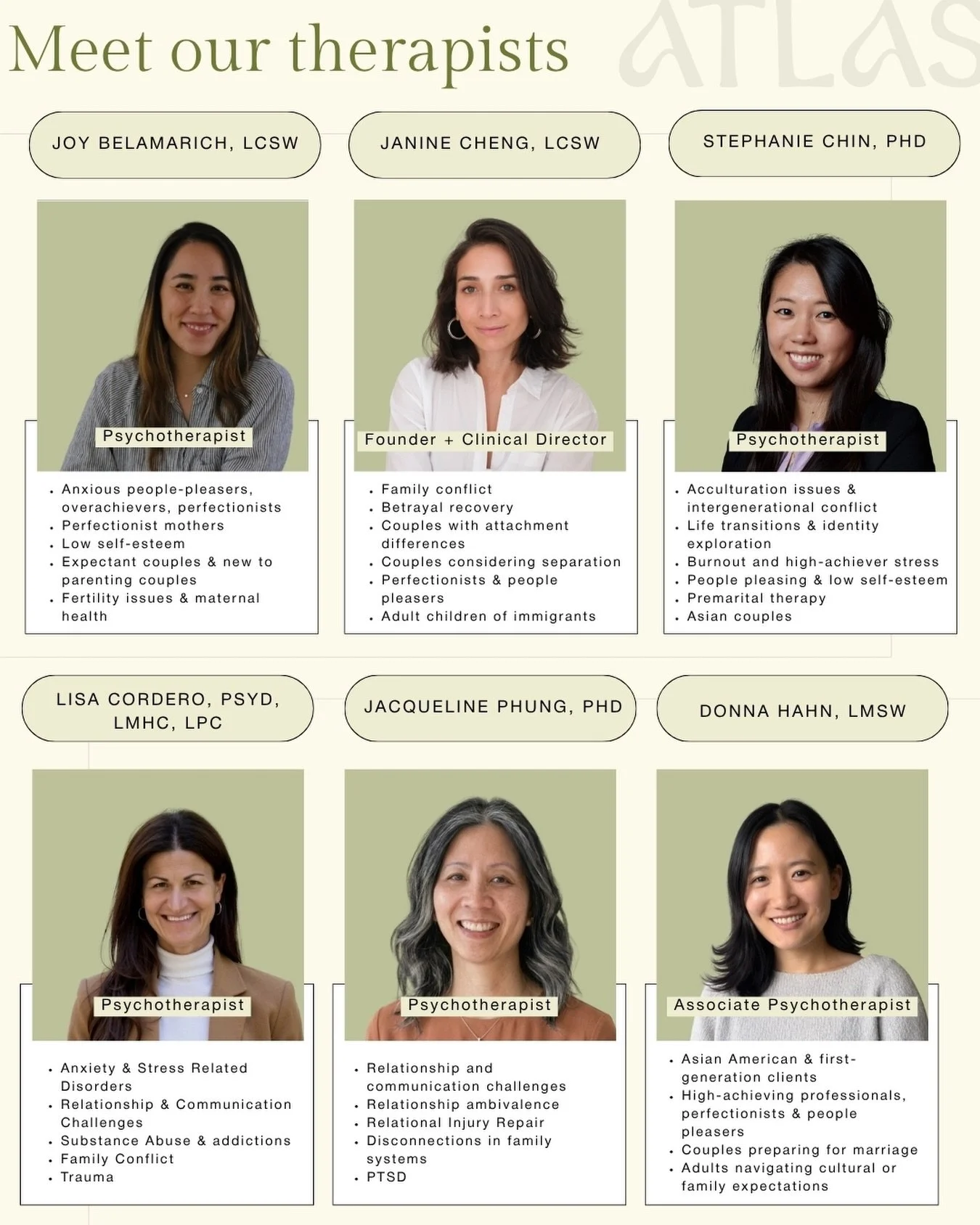
Meet our Therapists
-
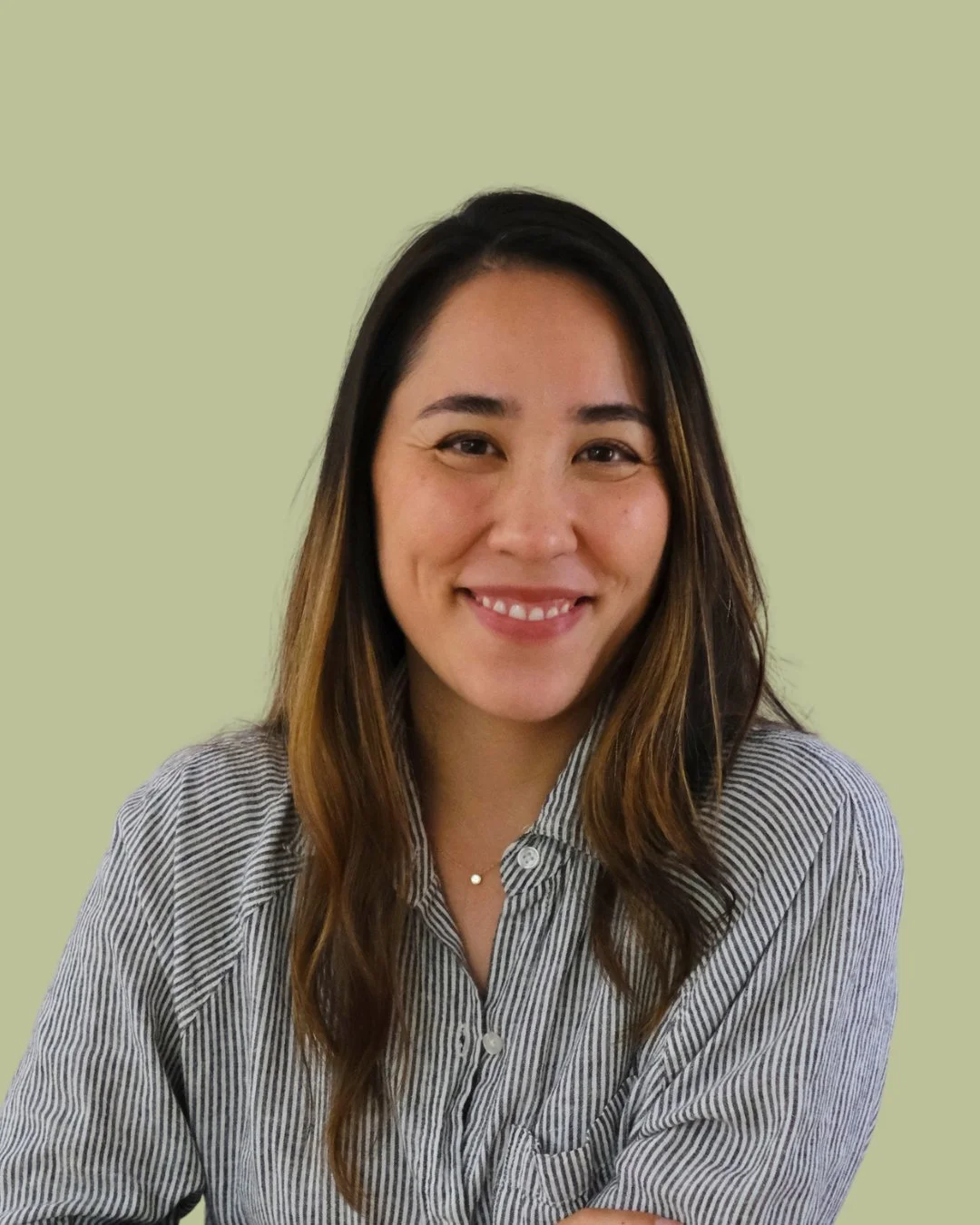
Joy Belamarich, LCSW
Psychotherapist
-

Janine Cheng, LCSW
Founder + Clinical Director
-
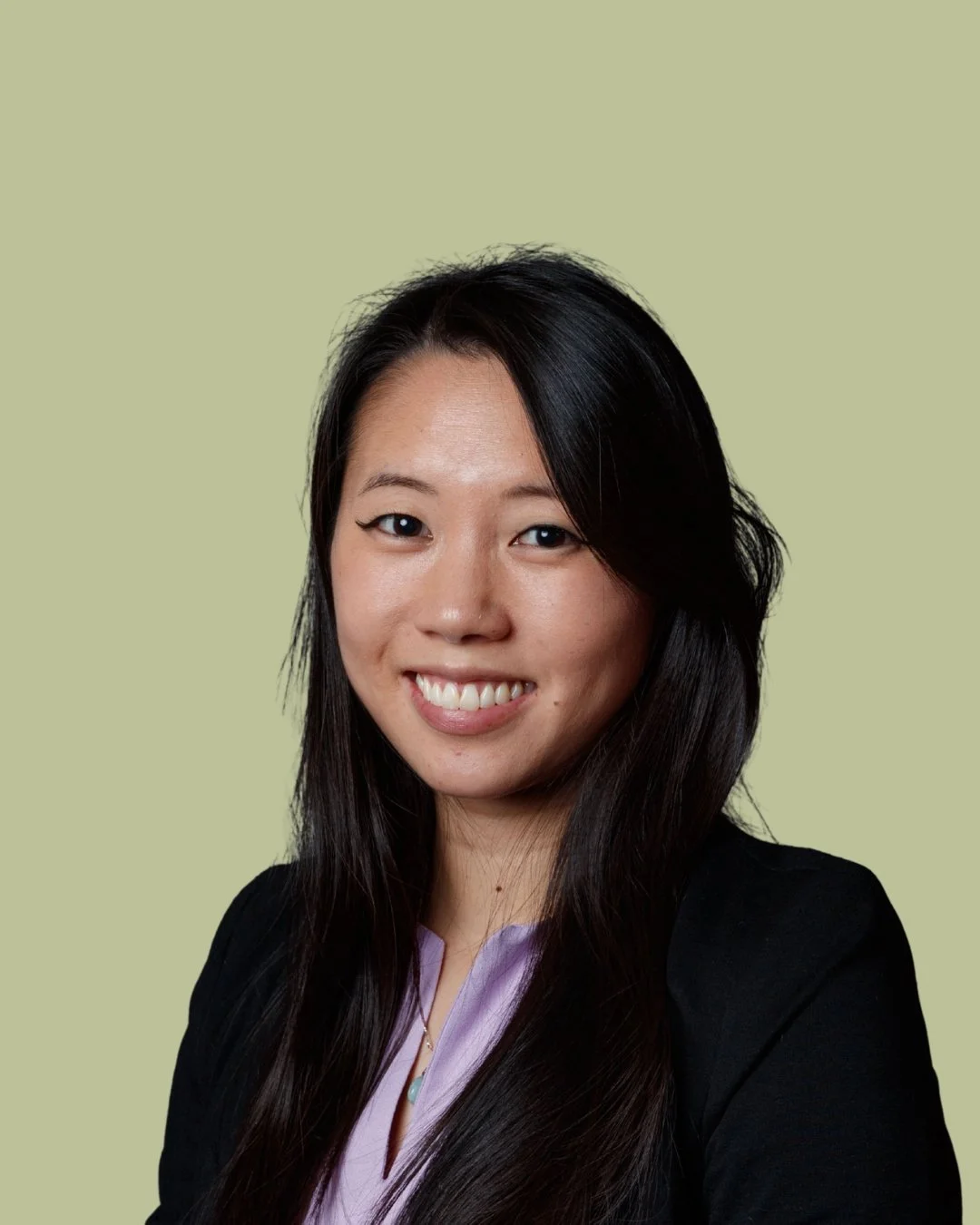
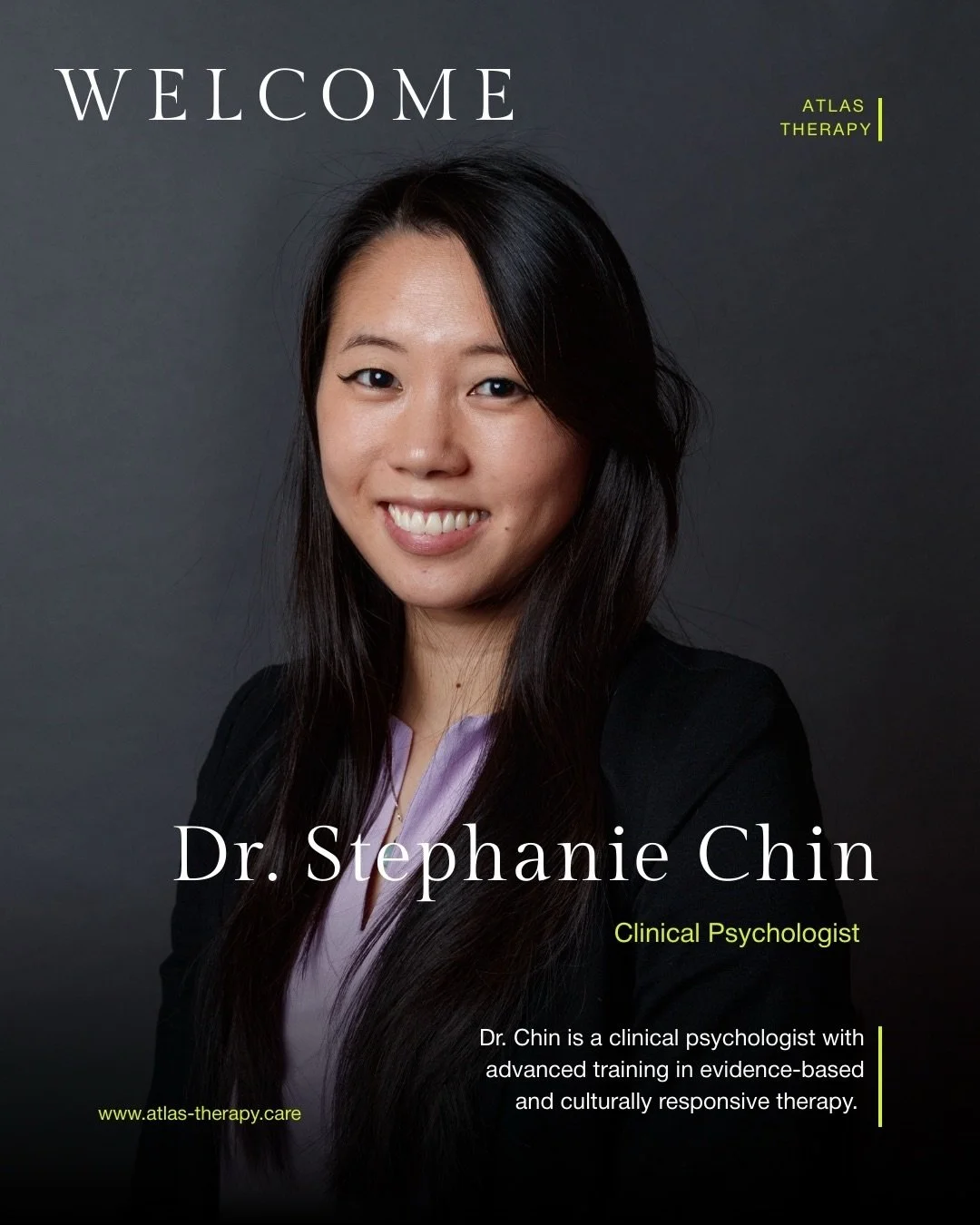
Dr. Stephanie Chin, PhD
Psychologist
-
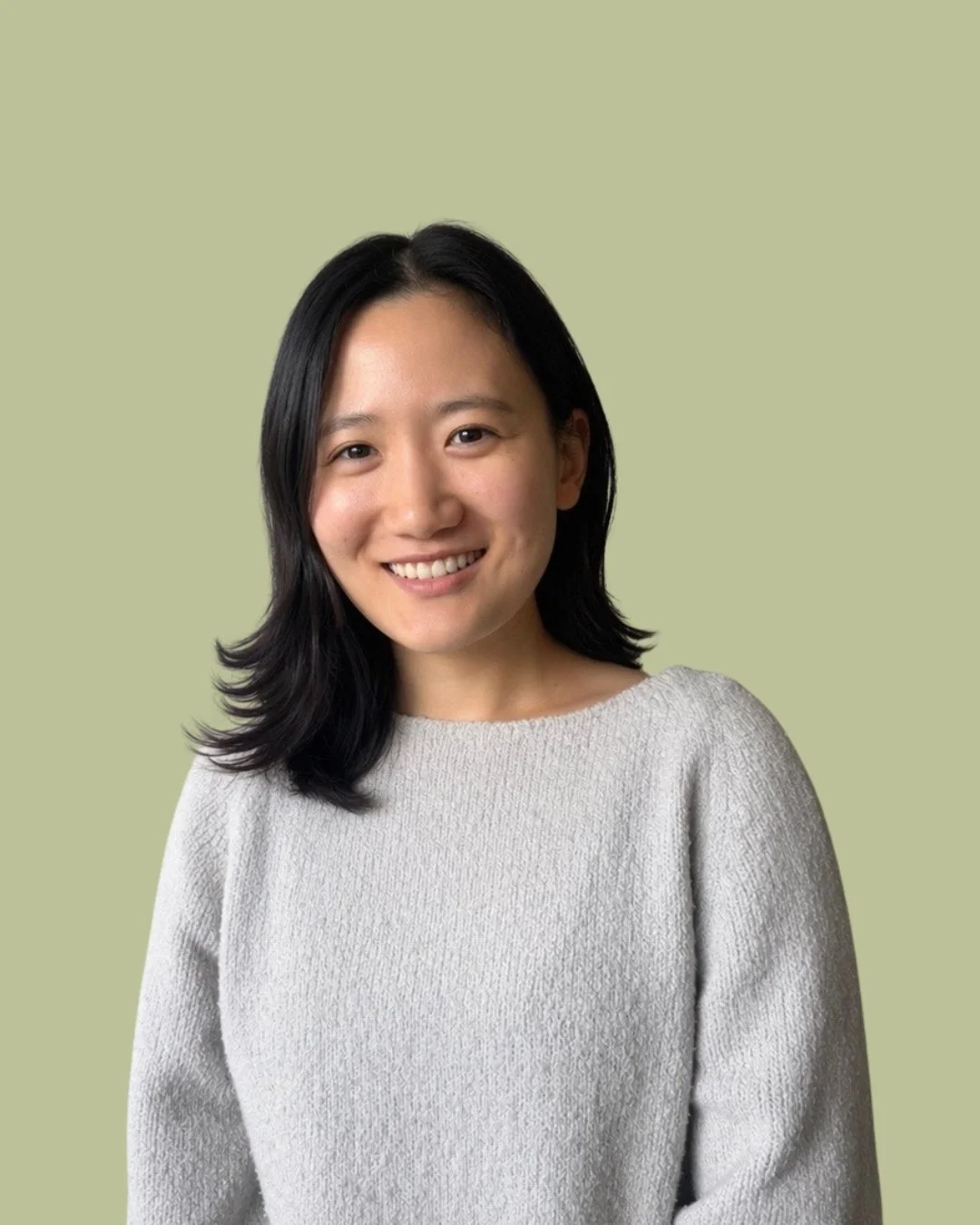
DONNA HAHN, LMSW
Associate Psychotherapist

Client Testimonials
⋆⋆⋆⋆⋆
Dr. Chin was great to have as a therapist. She was respectful and I felt comfortable speaking with her about anything I had on my mind. She remained professional in all of our sessions and I would confidently recommend her!
- Mike Chism
Janine has been the most spectacular therapist. She’s always provided a safe and open space for me to speak my thoughts. I have made leaps and bounds in my progress in my work with her. I would recommend anyone to try therapy with her. She has helped me so much. I’m constantly astounded by how much better my life has gotten since I’ve started working with her.
- Chelsea Choi
Dr. Stephanie Chin helped me through a really hard time when I was chronically dealing with trauma and burnout from work. After a few months of working with her, I have made significant improvements on my cognitive thought processes in regards to my work schedule. Very objective and solution oriented, gives productive feedback and listens at the same time.
- Stacey Lum

Frequently asked questions
-
We understand that in many Asian and South Asian cultures, family relationships are deeply rooted in obligation, hierarchy, interdependence, and survival. For many clients, “just set a boundary” can feel unrealistic, unsafe, or emotionally devastating.
Rather than pushing a one-size-fits-all solution, we:
Explore what boundaries actually mean within your cultural and family system
Help you understand the emotional cost of both setting and not setting boundaries
Look for options that increase your sense of agency without creating unnecessary rupture
Respect that sometimes boundaries are internal, gradual, or situational—not confrontational
Our goal is not to pressure you into change, but to help you make informed, self-aligned choices that honor both your values and your well-being.
-
Our clinicians are experienced in working with Asian, Asian American, and South Asian clients and are trained to approach therapy with cultural humility, curiosity, and respect.
We don’t assume your experience based on ethnicity alone. Instead, we take time to understand:
Your specific cultural background
Immigration or generational history
Family structure and expectations
Religious, spiritual, or community influences
You are always the expert on your experience.
-
Some of our therapists do share lived experience as Asian, Asian American, or South Asian individuals; others bring deep professional experience working closely with these communities.
While lived experience can be meaningful, we don’t assume it’s the only—or primary—factor that creates safety. What we prioritize is:
Cultural attunement
Ongoing training and supervision
Willingness to ask, listen, and repair
Awareness of power, identity, and context
If having a therapist with shared lived experience is important to you, we’re happy to discuss that during consultation and do our best to match you thoughtfully.
-
Not necessarily. While family and early experiences often matter, therapy is ultimately about your present-day life—your relationships, stress, identity, and goals.
We follow what feels most relevant and useful to you, whether that’s:
Managing anxiety or burnout
Navigating relationships or career decisions
Processing family dynamics
Understanding patterns that keep showing up
You set the pace and direction.
-
That ambivalence is deeply understandable. Therapy makes space for both truths:
Love, loyalty, gratitude
Pain, resentment, exhaustion
You don’t have to choose one over the other. Much of the work involves learning how to hold complexity without self-blame.
Experience personalized therapy at our office in Nomad
All in-person sessions will take place in a warm, inviting space that will help you feel calm and centered for the work.
The office is located in Nomad and easily accessible via the 1, 2, 3, N, R, W, B, D, F, M and 6 lines.




Ready to start your journey toward healing?
Check out our latest posts