Strengthen your family system
Family Therapy and Relationship Counseling
Available in-person in NYC, virtually throughout NY and California


When the People Closest to You Feel the Furthest Away

Whatever brought you here, the pattern is usually some version of the same thing: The same arguments on repeat. The same roles on autopilot. Resentment building in the spaces where connection used to be.
Siblings who love each other but cannot stop hurting each other. Years of unacknowledged resentment making connection feel impossible.
A parent and child stuck in an old version of each other.
A family where everyone has a role they never signed up.
An adult child trying to set a boundary with a parent who does not get it.
A blended family caught between loyalties.
A family shaped by cultural expectations no one is allowed to question.
Families come to us when they’re asking

"Why does every conversation turn into the same fight?"
"How did we get so far from each other?”
"Why do I feel so alone in my own family?"
"Am I the only one who sees the problem?"
"How do I set a boundary without losing the relationship?"
"Why does going home still feel this hard?"
“When did talking to my own kid become this complicated?"
“Why do I keep becoming the person I do not want to be every time I am around them?"
"Where did my child go and who is this person in front of me?"
Why does nothing I do seem to be enough for my kid?"
"How do I stay close to my child without pushing them further away?"

The right time for family therapy?
As soon as you’re thinking about it.
The right time is when you’re ready to stop feeling stuck. It’s when you feel there’s something in your family relationships that you want to better understand or start to shift. You have a desire, but you don’t yet have the skills to know where to start.
That’s where and when family therapy comes in. We are trained for this! We will help you figure out what you hope to see change - whether it’s big or small - and help you find a way towards that change.
Our family approach :
Our approach combines research-backed methods that address both the emotional and practical aspects of your relationship crisis:

-
We use Gottman interventions to identify strengths and areas of opportunity that erode and enhance connection. You’ll learn to communicate more effectively, de-escalate conflict, and rebuild friendship and trust—even in the midst of deep pain and overwhelm.
-
EFT helps us get beneath the surface of arguments and into the vulnerable emotions that drive them. We'll work to uncover attachment wounds, soften defenses, and begin to restore emotional safety and closeness.
-
Structural Family Therapy focuses on the organization of the family system — including roles, boundaries, and patterns of interaction that may be contributing to conflict or disconnection. By strengthening the family structure and shifting unhelpful dynamics in real time, families can create healthier communication, clearer boundaries, and more supportive relationships.
-
Systems Family Therapy views individual struggles within the context of the larger relational system, recognizing that each family member both influences and is influenced by one another. This approach helps families uncover recurring emotional patterns, increase understanding and empathy, and develop new ways of relating that support connection, healing, and long-term change.
Many families complete therapy in
15 - 20 sessions
This relationship therapy has results

The temperature in the house shifts. Rigid patterns that kept everyone stuck start to loosen.
Siblings start giving each other the benefit of the doubt. You finally feel heard. Old resentments lose their charge. Conversations feel less like minefields and more like connection.
The phone call with your parent stops being something you dread. You can hold a boundary without it turning into a full rupture. You roll your eyes less, you feel less resistant to their attempts at closeness, you feel open.
Couples stop routing conflict through the kids and feel equipped to model healthy conflict resolution.
The roles begin to shift. The overachiever lets something drop. The peacekeeper says what they actually think. The quiet one takes up space. You start to discover yourself in the family without the prescribed behavior.
What we hear most from families finishing therapy is that it feels possible to show up in more intentional ways. Less reactivity, more responsiveness and more genuine connection.
What to expect during sessions :
How We Work with Families
Family therapy at Atlas is not a venting session. It is not an exercise in taking turns or airing grievances while a therapist nods along. It is a structured, clinically informed process with a therapist who is actively guiding the room.
We Start by Understanding the Full Picture
Before anything else, we meet with the family as a unit and often with individual members separately. We are listening for what is being said and what is being carefully avoided. The alliances. The avoidance. The roles each person has settled into and what it costs them to stay there.
We Use Evidence-Based Approaches, Matched to Your Family
We draw from Structural Family Therapy to look at how the family is organized: who holds power, where boundaries are too rigid or too porous, and what happens when the current structure stops working. We use Emotionally Focused Therapy to move past the surface-level arguments and get to the emotions underneath them. For families dealing with a behavioral concern in a child or adolescent, we bring in interventions that give parents concrete, actionable strategies.
No two families get the same treatment plan. A teenager pulling away requires a different approach than a family in crisis after a betrayal. We build accordingly.
What Sessions Actually Feel Like
Active. Your therapist is not sitting back and watching. They are observing how your family interacts in real time and stepping in when patterns show up: the interrupting, the eye roll, the silence that shuts someone out. They will slow things down when emotions are running hot and redirect when avoidance is taking over.
You will leave sessions with specific things to practice at home. New ways to respond in the moments that typically go sideways.
Our Family Therapists
Our family therapists are extensively trained in attachment-based and family-specific modalities.
-

Janine Cheng, LCSW
Founder + Clinical Director
-
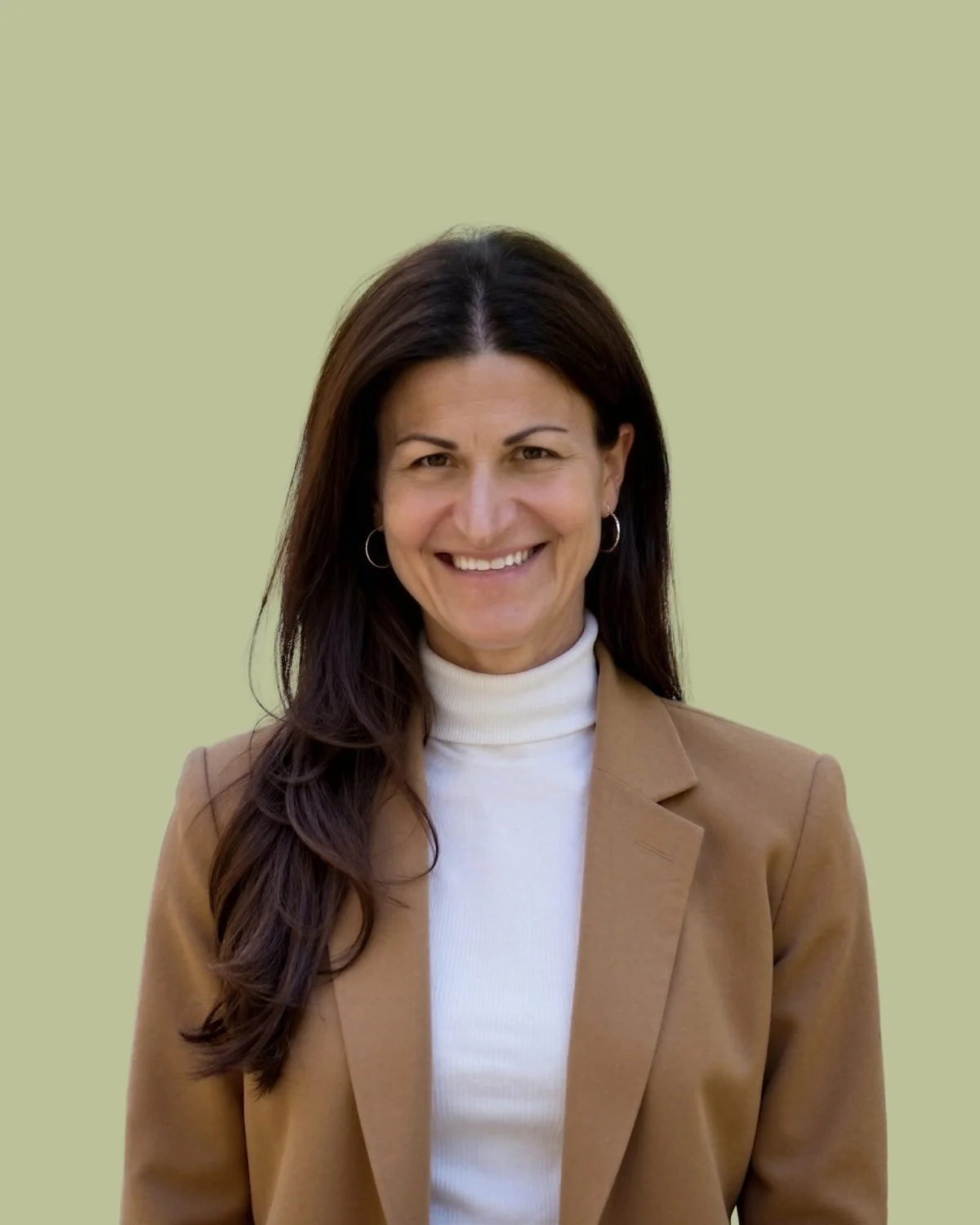
Dr. LISA CORDERO, PSYD, LMHC, LPC
Psychotherapist
Experience personalized therapy at our office in Nomad
All in-person sessions will take place in a warm, inviting space that will help you feel calm and centered for the work.
The office is located in Nomad and easily accessible via the 1, 2, 3, N, R, W, B, D, F, M and 6 lines.




Ready to start the path towards a better bond?
Check out our latest posts