
Gottman Method for Couples in NYC
Therapy that helps couples learn how to navigate conflict and build a stronger, more harmonious relationship
Relationship therapy is the center of our practice. At Atlas, each of our therapists specializes in relationship work and brings that training and experience to every session. You can trust that your relationship is in thoughtful, expert hands.

Summary of Benefits Backed by Research
What Kind of Challenges Might You be Facing?
Arguing over the same issues again and again without resolution
Feeling more like roommates than romantic partners
Struggling with trust after a betrayal
Having difficulty communicating needs or emotions
Feeling criticized, shut down, or emotionally disconnected
Wanting to rekindle intimacy and closeness
Preparing for a long-term commitment and wanting a strong foundation
Feeling like certain topics of discussion always lead to escalation

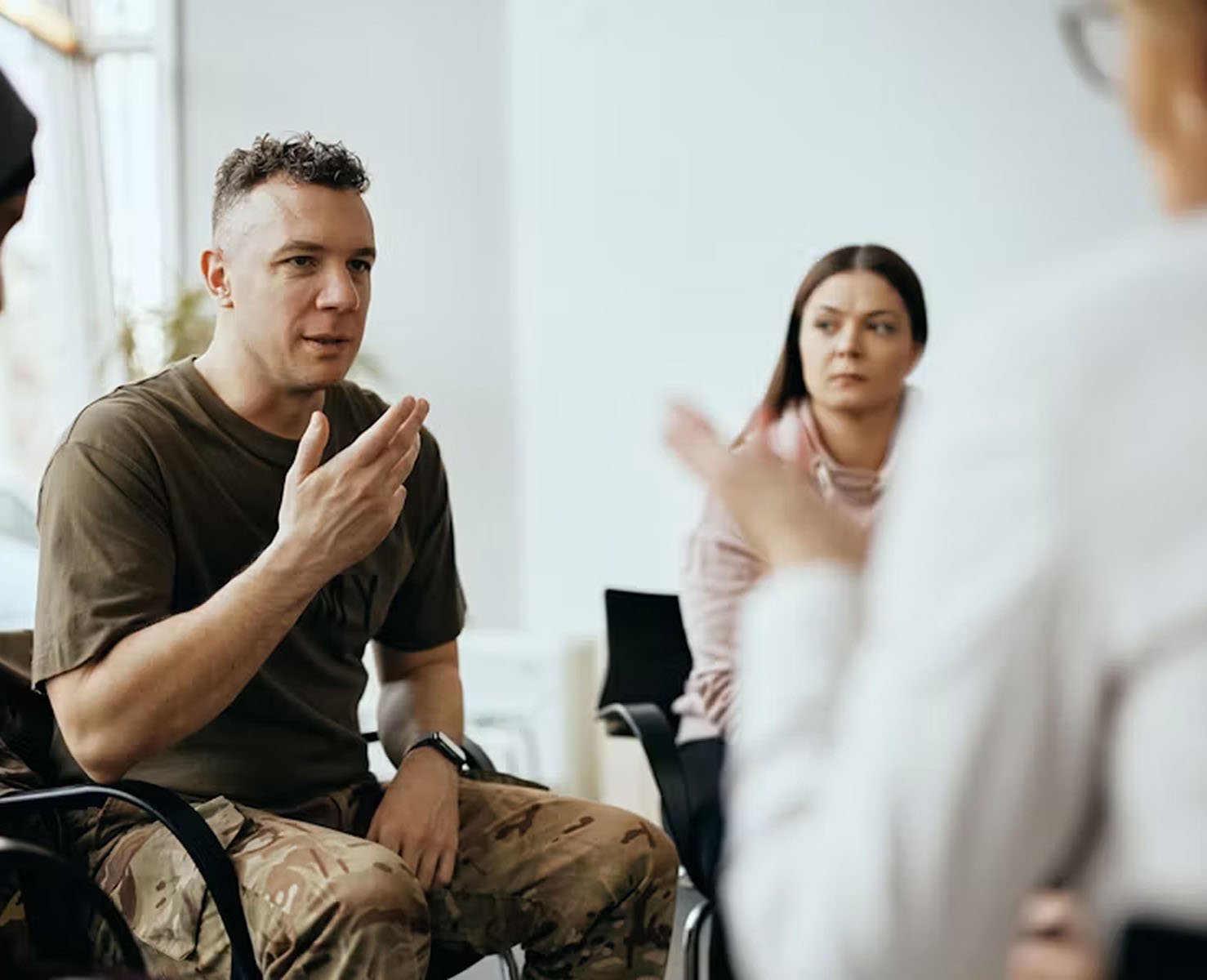


How the Gottman Method Can Help
The Gottman Method is a research-based approach to couples therapy developed by Drs. John and Julie Gottman. With over four decades of research behind it, this method helps couples:
Improve communication and reduce defensiveness
Manage conflict in a healthy, productive way
Increase affection, intimacy, and understanding
Heal from past hurts or betrayals
Build a stronger friendship and partnership
Create shared meaning and life goals
It’s not about deciding who’s right or wrong — it’s about helping both partners feel heard, valued, and supported.
What the Process Looks Like
Gottman Method Couples Therapy follows a structured and supportive format.
Assessment Phase
Joint session to understand your relationship history and concerns
Individual interviews with each partner
Gottman Relationship Checkup: a comprehensive online assessment
Therapist reviews and shares feedback with you
Treatment Phase
Weekly or biweekly sessions focused on your goals
Learn and practice new skills for managing conflict, enhancing connection, and repairing past hurts
Use evidence-based tools and exercises tailored to your relationship
Focus on building trust, emotional safety, and shared meaning
Maintenance & Integration
As progress is made, sessions focus on reinforcing skills
You'll gain tools to use long after therapy ends
Frequently Asked Questions
-
The Gottman Method is a research-based approach to couples therapy developed by Drs. John and Julie Gottman, built on more than four decades of studying thousands of real couples — including what actually distinguishes relationships that last from those that end. The approach translates those findings into practical, learnable skills for managing conflict, deepening friendship and intimacy, and creating shared meaning as a couple.
-
Structure and evidence. Sessions follow a clear roadmap grounded in research rather than open-ended talking: you'll learn specific, named skills — softened start-ups, repair attempts, physiological self-soothing — and practice them in the room. Many couples who felt aimless in previous therapy find the concreteness a relief: you always know what you're working on and why.
-
The Four Horsemen are the four communication patterns the Gottmans' research identified as the strongest predictors of relationship breakdown: criticism, contempt, defensiveness, and stonewalling. Most couples recognize at least one or two immediately. A core part of the work is learning to catch them in real time and replace each with its research-tested antidote.
-
Yes — it was largely built for them. Because the method focuses directly on how couples fight (flooding, escalation, failed repair attempts), it gives high-conflict couples immediately usable tools, often within the first few sessions. If your arguments escalate fast and resolve nothing, this approach speaks your language.
-
Yes. Alongside its conflict tools, the method is equally focused on friendship and connection — rebuilding what the Gottmans call "Love Maps" (detailed knowledge of each other's inner world), turning toward each other's bids for attention, and creating rituals of connection. Quiet drift responds to this work as well as loud conflict does.
-
Gottman Method therapy begins with a structured assessment: a joint session, a brief individual session with each partner, and research-based questionnaires about your relationship's strengths and challenges. Your therapist then shares a clear picture of where your relationship stands and a treatment plan matched to it — so the work targets your actual patterns from the start.
-
No. The Gottman framework treats the negative cycle between partners as the target, and the assessment process is designed so both partners feel fully heard before any change is asked of either of you.
-
More than for almost any other couples approach. The method rests on longitudinal studies following thousands of couples over decades, and the Gottmans' research could predict divorce with high accuracy based on how couples handled conflict. The interventions come directly from what the successfully lasting couples did differently.
-
Many couples complete therapy in 15–20 sessions. Skills like de-escalation and repair tend to arrive early; the deeper work on friendship, trust, and shared meaning fills out the arc. For couples in crisis or wanting accelerated progress, our couples intensives compress months of this work into one to two days.
-
Yes — our therapists are trained in both the Gottman Method and Emotionally Focused Therapy (EFT), and many couples benefit from the blend: Gottman's concrete skills for communication and conflict, EFT's deeper work on the attachment needs underneath the cycle. Your therapist tailors the mix to your relationship.
-
Book a free consultation call. We'll talk about what's happening in your relationship and match you with the right couples therapist — in person in NYC or virtually across New York and California.
Meet our Therapists
-

Janine Cheng, LCSW
Founder + Clinical Director
Culturally responsive therapy for perfectionists, people-pleasers, stressed couples, and strained families. Structured, and goal-oriented in a warm and supportive setting.
-
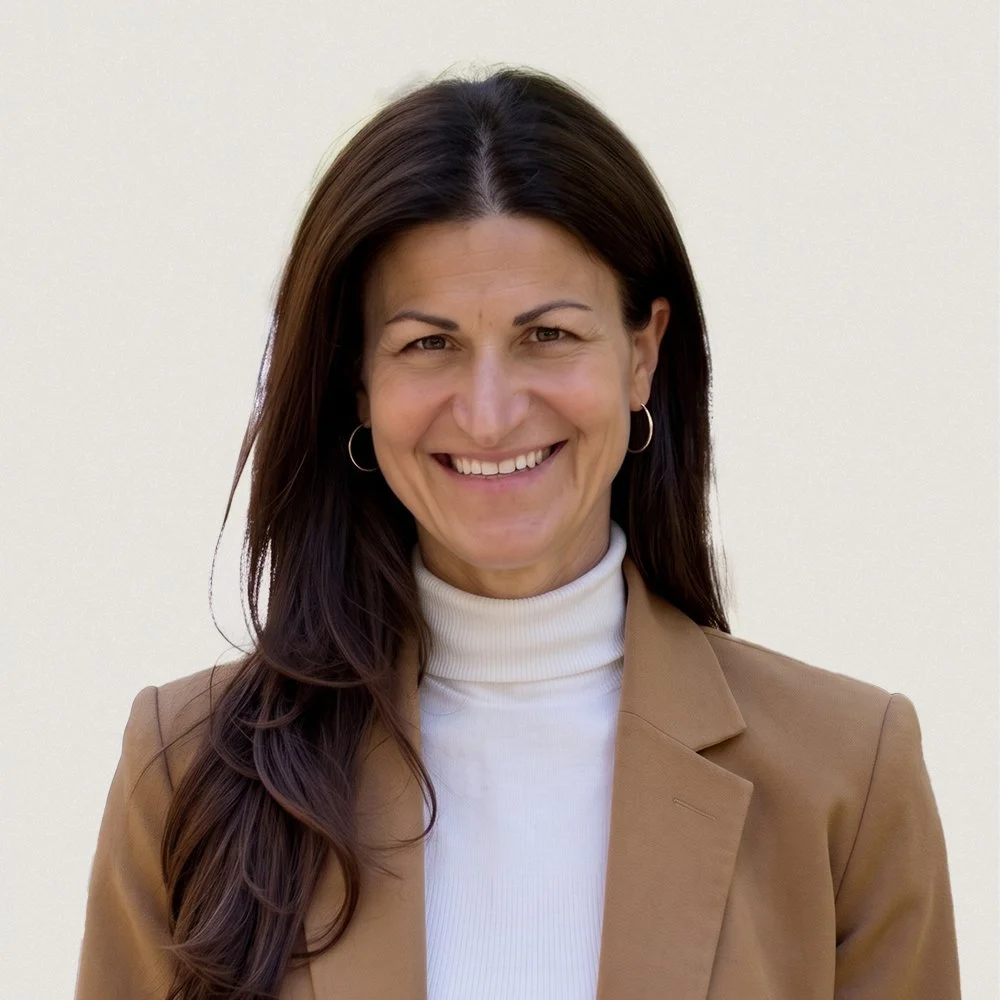
Dr. Lisa Cordero, PsyD, LMHC, LPC
Psychotherapist
Active, goal-oriented therapy for individuals, couples, and families — insight into why you're stuck, and concrete tools to change it.
-

Donna Hahn, LMSW
Associate Psychotherapist
Therapy for first-generation adults, perfectionists, and high achievers who are ready to put down the mask, quiet the replaying mind, and hear their own voice again.
-
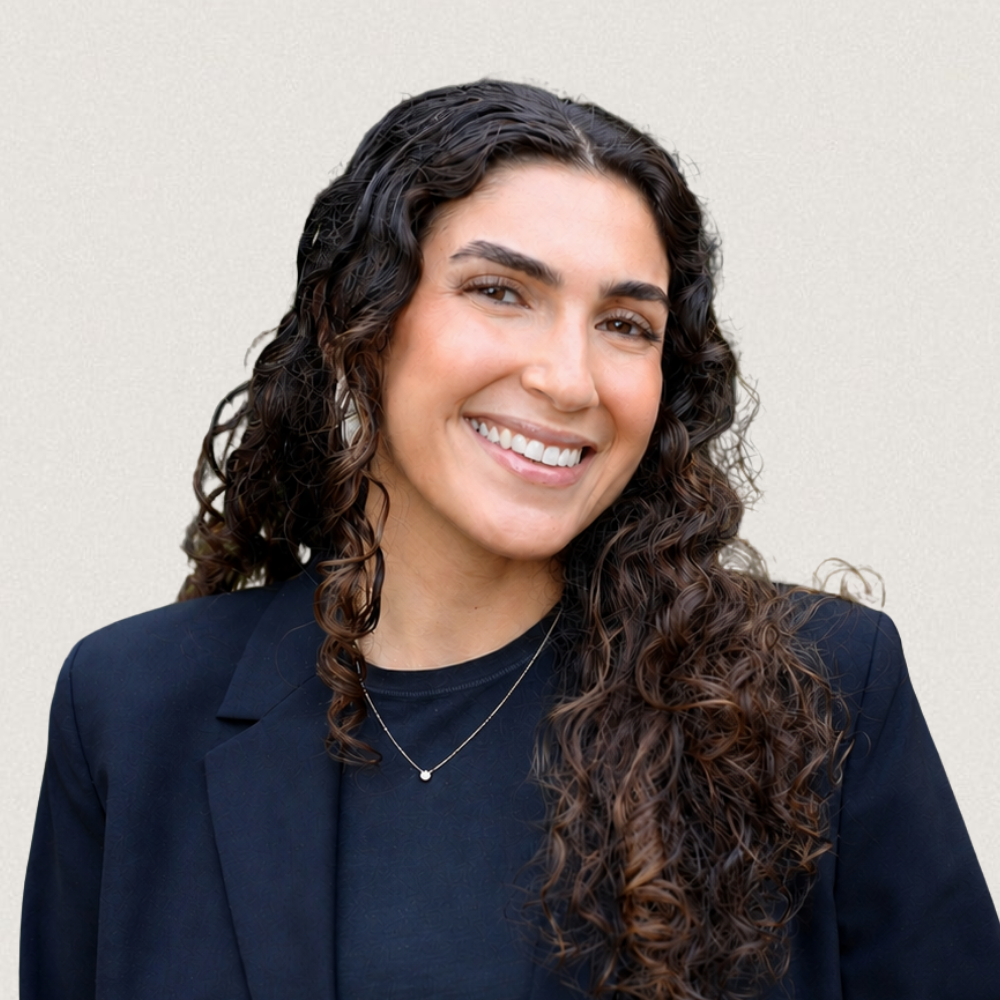
Jennifer Aghavian, LMSW
associate psychotherapist
Attachment-focused therapy for individuals and couples navigating anxiety, self-doubt, and relationship difficulties. Understand how past experiences, family or cultural expectations shape the way you relate to yourself and others.

Experience personalized therapy at our office in Nomad

Our office in Manhattan was intentionally designed to create a sense of comfort, privacy, and ease from the moment you walk through the door. Surrounded by refined interiors and a peaceful atmosphere, you'll find a space that encourages reflection, connection, and meaningful change.
All in-person sessions will take place in a warm, inviting space that will help you feel calm and centered for the work. The office is located in Nomad and easily accessible via the 1, 2, 3, N, R, W, B, D, F, M and 6 lines.
Connect With Us
Book a Consult
You can schedule an introductory conversation with our Clinical Director using the calendar below. During this conversation, we’ll learn more about what you’re looking for and help match you with the therapist on our team who best fits your needs.
If you prefer to connect directly with a therapist, explore our team bios and schedule a consultation with the therapist you’re most interested in working with.
E-mail Us
If you’re not quite ready to book a consultation, use the form below to introduce yourself and tell us a little about what you’re looking for.
You’ll hear from our Clinical Director within 24 business hours.
Based on what you share about your concerns, goals, preferences, availability and budget, we’ll recommend one or more therapists whose experience and approach may be a good fit and guide you through the next step.
Rewrite your story today.
You don't have to keep repeating the same patterns. Therapy can help you better understand what's driving them and create a different path forward. Let us help find the right therapist for you.