
Therapy for Asian couples in NYC
You keep returning to the same conflict and it is becoming harder to feel close. You may be managing daily life together but feeling more like roommates than partners, avoiding difficult conversations to keep the peace, or finding that family expectations have more influence in your relationship than either of you intended. Differences in how you understand your cultural values, family obligations, or roles as partners can make these issues harder to talk through. You might be facing a betrayal and wondering how or whether to rebuild trust. Or you may have a strong foundation and want support preparing for marriage, parenthood, or another major transition, so you can approach it with a clearer understanding of each other’s needs and expectations.

Signs You May Benefit from Asian Couples Therapy
These pressures show up in many Asian couples' relationships, shaped by family expectations and cultural values that both partners carry into the marriage. They can strain even strong relationships, since honoring family and building a life together sometimes pull in different directions. Therapy that understands this cultural context can help you navigate both.
Questions Asian Couples Often Ask:
"Why do we keep having the same fight and never actually resolve it?"
"How do we put our relationship first without feeling like we're failing our parents?"
"Why is it so hard for us to say what we actually feel?"
"When did we become roommates instead of partners?"
"We come from different backgrounds — can we ever really understand each other?"
“How can we come from the same cultural background and have such different values?”

How Therapy Can Help
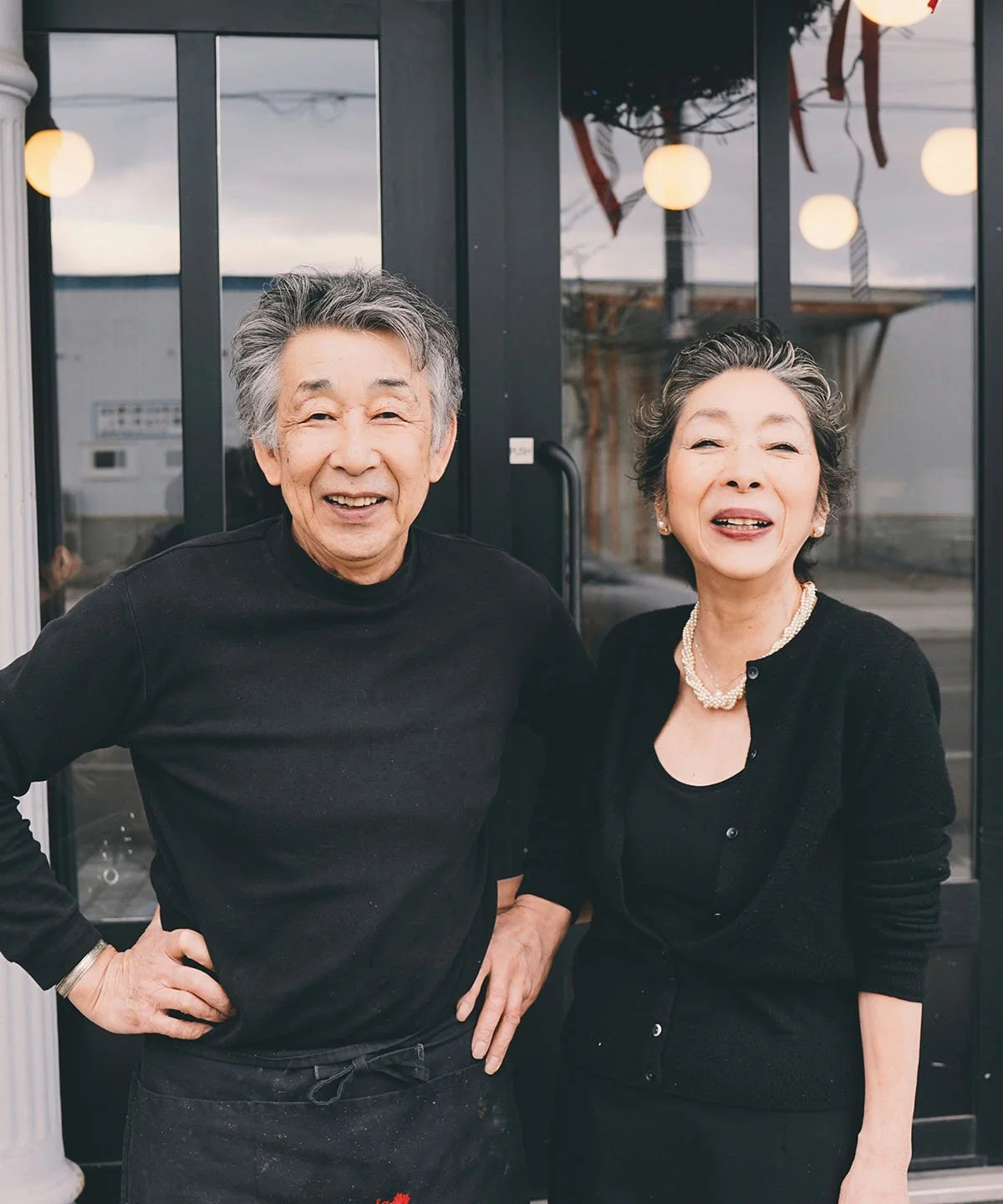
Together, we identify the cycle driving your conflict and the cultural currents running beneath it: how each of you learned to show love, handle anger, and define loyalty. You'll learn to reach for each other instead of retreating, negotiate family expectations as a team instead of adversaries, and build a shared culture that honors both where you come from and what you're creating together.


The Atlas Approach
Our approach combines research-backed methods that address both the emotional and cultural dimensions of your relationship.
Each therapy session is customized to your relationship, and may include:
Mapping your conflict cycle — the pursue/withdraw pattern, the criticism and defensiveness — and learning research-supported skills to de-escalate and repair
Exploring the cultural influences each of you brings: how love, anger, duty, and respect were expressed in your families, and how those inheritances collide in your marriage
Building your "us": healthy boundaries with parents and in-laws held as a united front, shared rituals and values, and new ways to express needs that used to go unspoken
You'll leave with a shared understanding of your cycle, practical tools for conflict and connection, and a relationship that belongs to the two of you.
Our work together uses modalities such as the Gottman Method, Emotionally Focused Therapy (EFT), and Internal Family Systems (IFS).
Results after therapy
Many couples complete therapy in 15–20 sessions and report:

How You Fight
The recurring argument, finally understood and interrupted before it escalates
Conflict that gets resolved instead of buried for the sake of harmony
Repair after ruptures, instead of days of distance and silence
How You Love
Needs and feelings said out loud
Warmth, intimacy, and friendship back in the relationship
Trust rebuilt on solid ground, including after betrayal
How You Handle Family
In-law and parental expectations navigated as a team, with a united front
Obligations honored from choice, not fear without sacrificing your marriage
A shared culture of your own: rituals, values, and traditions you both chose
Frequently Asked Questions
-
Many couples find it meaningful to work with a therapist who understands their cultural context firsthand. Our team includes therapists of Asian heritage, and all of our work is culturally attuned.
-
Many of our clients grew up with "family matters stay in the family," and walking into couples therapy can feel like going against that grain. Remember that therapy is confidential — no one in your family or community will know — and seeking help early is protective. Most couples say they wish they'd come sooner.
-
Very commonly one partner arrives more willing than the other — especially when therapy feels culturally unfamiliar. A free consultation call is a low-pressure way for a hesitant partner to ask questions. Reluctant partners usually engage once they see therapy isn't about assigning blame.
-
Yes — intercultural and interracial couples are a significant part of our practice. Differences in communication styles, family expectations, and assimilation are exactly the terrain this work covers, and therapy helps you turn those differences from friction into understanding.
-
Avoidance is a conflict style, and often a costlier one: cultures that prioritize harmony can produce couples who never argue and slowly stop talking altogether. If silence, distance, or "keeping the peace" describes your relationship better than shouting does, this work applies directly to you.
-
No. We don't treat family obligation as a problem to eliminate — for many Asian couples, family is a core value. The work is building agreements the two of you choose together, so extended family enriches your marriage rather than running it.
-
Many couples complete therapy in 15–20 sessions. Couples facing significant rupture or wanting accelerated progress can also consider our couples intensives — extended sessions that compress months of work into days.
-
Book a free consultation call. We'll talk about what's happening in your relationship and match you with the right couples therapist — no blame, no pressure, and no need for both of you to be equally sure yet.
Meet our Therapists
-

Janine Cheng, LCSW
Founder + Clinical Director
Culturally responsive therapy for perfectionists, people-pleasers, stressed couples, and strained families. Structured, and goal-oriented in a warm and supportive setting.
-

Dr. Lisa Cordero, PsyD, LMHC, LPC
Psychotherapist
Active, goal-oriented therapy for individuals, couples, and families — insight into why you're stuck, and concrete tools to change it.
-

Donna Hahn, LMSW
Associate Psychotherapist
Therapy for first-generation adults, perfectionists, and high achievers who are ready to put down the mask, quiet the replaying mind, and hear their own voice again.
-
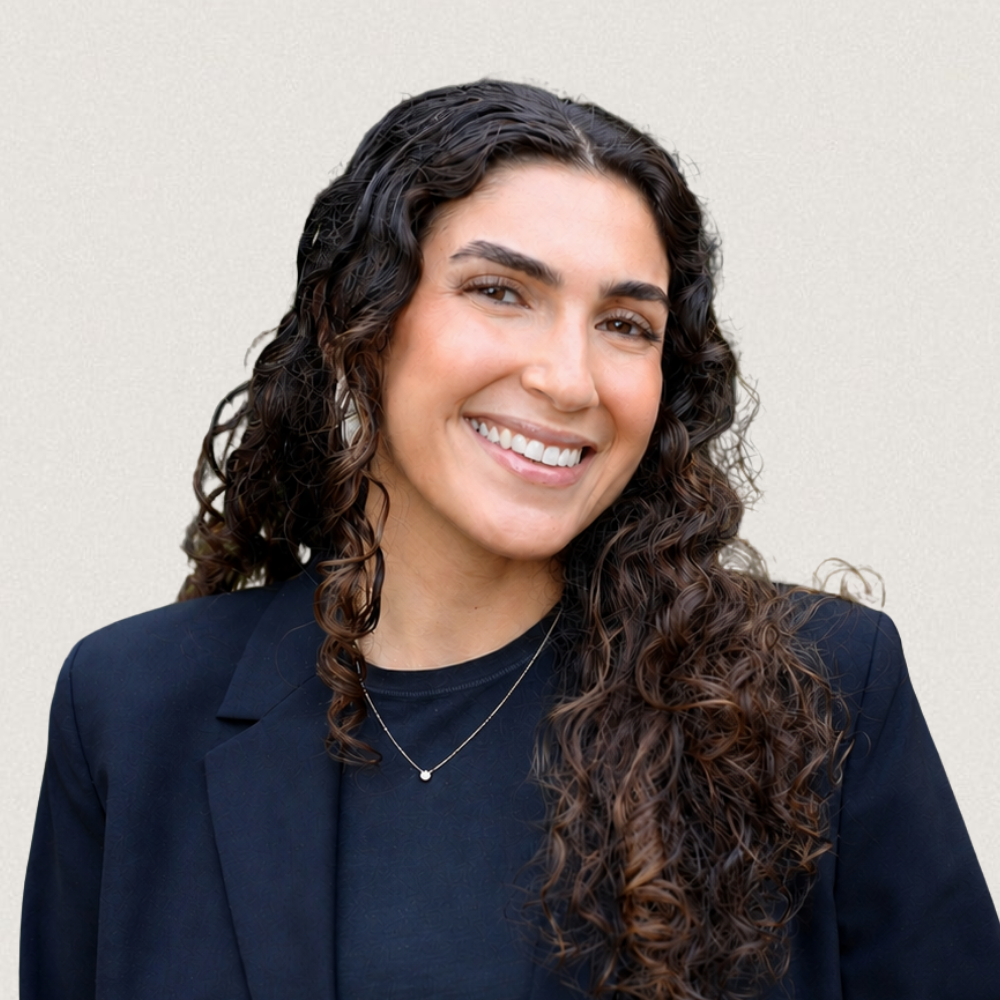
Jennifer Aghavian, LMSW
associate psychotherapist
Attachment-focused therapy for individuals and couples navigating anxiety, self-doubt, and relationship difficulties. Understand how past experiences, family or cultural expectations shape the way you relate to yourself and others.

Experience personalized therapy at our office in Nomad

Our office in Manhattan was intentionally designed to create a sense of comfort, privacy, and ease from the moment you walk through the door. Surrounded by refined interiors and a peaceful atmosphere, you'll find a space that encourages reflection, connection, and meaningful change.
All in-person sessions will take place in a warm, inviting space that will help you feel calm and centered for the work. The office is located in Nomad and easily accessible via the 1, 2, 3, N, R, W, B, D, F, M and 6 lines.
Connect With Us
Book a Consult
You can schedule an introductory conversation with our Clinical Director using the calendar below. During this conversation, we’ll learn more about what you’re looking for and help match you with the therapist on our team who best fits your needs.
If you prefer to connect directly with a therapist, explore our team bios and schedule a consultation with the therapist you’re most interested in working with.
E-mail Us
If you’re not quite ready to book a consultation, use the form below to introduce yourself and tell us a little about what you’re looking for.
You’ll hear from our Clinical Director within 24 business hours.
Based on what you share about your concerns, goals, preferences, availability and budget, we’ll recommend one or more therapists whose experience and approach may be a good fit and guide you through the next step.
Rewrite your story today.
You don't have to keep repeating the same patterns. Therapy can help you better understand what's driving them and create a different path forward. Let us help find the right therapist for you.