
Therapy for high conflict couples in NYC
High-Conflict Couples are couples that find themselves repeatedly stuck in escalated disagreements that leave them feeling flooded, withdrawn, disconnected and doubtful about the sustainability of their partnership. These couples are drained and may be seriously considering separation or divorce. They feel overwhelmed and - despite knowing that something needs to change - they have no clue where to start.

Signs You May Benefit from High-Conflict Couples Therapy
You are caught in repeated, escalating disagreements that start quickly, resolve little, and leave you both drained and uncertain about the relationship.
Questions High-Conflict Couples
Often Ask:
"Why does every disagreement turn into a blowout?"
"Is it normal to fight this much?"
"Why do I feel misunderstood no matter how carefully I explain?"
"Why do we say things we don't mean and can't take back?"
"Are we just incompatible?"
"Can people like us actually change, or is this who we are?"
"Should we keep trying or is it time to let go?"


How Therapy Can Help
The first thing high-conflict couples therapy does is take the fight apart in slow motion — because underneath the escalation there's a pattern: what triggers each of you, who pursues and who withdraws, and what each of you is actually fighting for (usually to feel heard, safe, or wanted, not to win). You'll learn to catch flooding, de-escalate in the moment, and say the vulnerable thing underneath the critical one. Your therapist doesn't referee or pick a villain; the cycle is the opponent, and you'll learn to fight it together. And if part of the doubt is whether to stay at all, we can hold that question honestly — clarity in either direction beats years more of the loop.


The Atlas Approach
Our approach combines research-backed methods that address both the escalation itself and the disconnection driving it.
Each session is customized to your relationship, and may include:
Mapping your conflict cycle — triggers, flooding points, pursue/withdraw roles — and practicing real-time de-escalation and repair skills, in the room, as the pattern shows up
Getting underneath the anger: the attachment needs and softer emotions the fighting protects, so you can reach for each other instead of firing at each other
"Parts" work to understand what gets activated in each of you mid-conflict — and managing triggers so old wounds stop running new arguments
You'll leave with tools that work mid-argument, a way to repair afterward that actually lands, and confidence that disagreement no longer threatens the relationship.
Our work together uses modalities such as the Gottman Method, Emotionally Focused Therapy (EFT), and Internal Family Systems (IFS) — with discernment counseling available for couples deciding whether to stay together.
Results after therapy
Most couples complete therapy in 15–20 sessions and report:

In the Heat of the Moment
Flooding recognized and interrupted — pauses that prevent the damage
Arguments that stay on topic and stay in bounds: no more scorched-earth escalation
The ability to hear each other mid-conflict, not just reload
Between the Fights
Repair that works — coming back together in hours, not days of cold silence
The needs underneath the criticism, finally said and finally heard
Warmth, humor, and ease returning to the daily relationship
About the Future
Confidence that you can handle hard topics without detonation
Doubt about compatibility replaced by evidence that the pattern — not the pairing — was the problem
Or, for some couples, honest clarity about parting — reached calmly, and together
Client Testimonials
Frequently Asked Questions
-
Conflict is normal — every couple has it, and research shows most recurring disagreements never fully disappear even in happy marriages. What's not sustainable is escalation: contempt, flooding, and fights that damage faster than you can repair. That's the part therapy changes, and it changes reliably.
-
No. In our model the cycle is the problem, not either person — high-conflict patterns are always co-created, even when the two roles look very different (the one who explodes and the one who goes silent are usually equal partners in the loop). Both of you will feel understood before either of you is asked to change.
-
Some of the most productive moments happen exactly then. When the pattern shows up live, your therapist can slow it down frame by frame, catch the flooding as it starts, and have you practice a different move on the spot — which is how the skills actually transfer to your kitchen at 10pm.
-
Flooding is physiological overwhelm — heart rate spikes, thinking narrows, and you're in fight-or-flight with the person you love. In that state, productive conversation is biologically impossible, which is why "just communicate better" advice keeps failing you. Learning to recognize and manage flooding is one of the first skills we build.
-
Nearly every high-conflict couple arrives with dueling prosecutions. Therapy isn't a trial — you won't be building cases; you'll be examining the system you've both been trapped in.
-
Yes — co-parenting conflict is a core focus. Children are affected less by whether parents disagree than by whether they see repair. We'll work on both: reducing the escalation and building visible repair, which research shows actually models healthy conflict for kids.
-
Yes. Discernment counseling is a structured, short-term process for exactly this — reaching a clear decision about the relationship's future without pressure toward either answer. Many couples on the brink first find out whether the relationship works when the cycle is removed; then they can choose.
-
For couples in crisis or those who want accelerated progress, we offer couples therapy intensives — extended sessions over one or two days that accomplish months of weekly work. High-conflict couples are among those who benefit most, because the pattern gets interrupted decisively rather than re-escalating between sessions.
-
Most couples complete therapy in 15–20 sessions, with the escalation itself typically improving within the first several — de-escalation skills come early, and the deeper attachment work follows.
-
Book a free consultation call, together or one of you first. We'll hear what's happening and match you with the right couples therapist — no blame, no sides, no judgment about how loud it's gotten.
Meet our Therapists
-

Janine Cheng, LCSW
Founder + Clinical Director
Culturally responsive therapy for perfectionists, people-pleasers, stressed couples, and strained families. Structured, and goal-oriented in a warm and supportive setting.
-
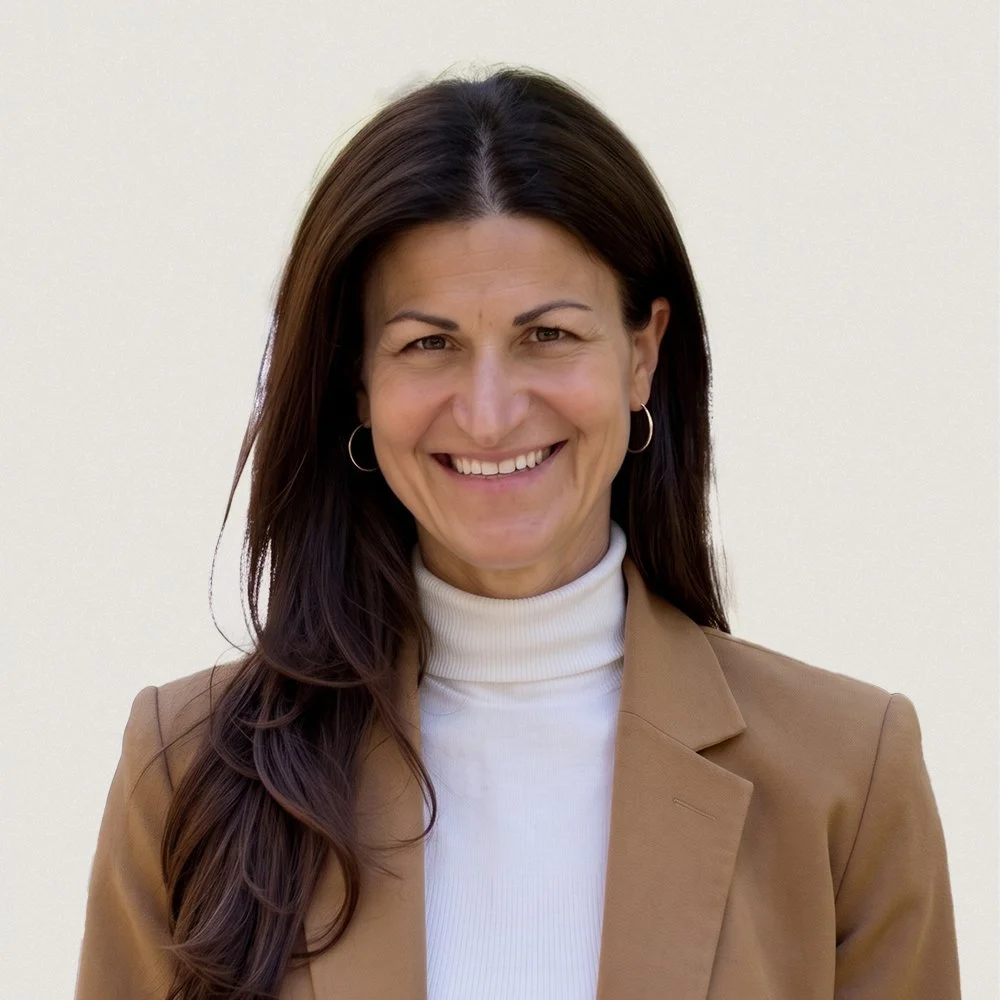
Dr. Lisa Cordero, PsyD, LMHC, LPC
Psychotherapist
Active, goal-oriented therapy for individuals, couples, and families — insight into why you're stuck, and concrete tools to change it.
-

Donna Hahn, LMSW
Associate Psychotherapist
Therapy for first-generation adults, perfectionists, and high achievers who are ready to put down the mask, quiet the replaying mind, and hear their own voice again.
-
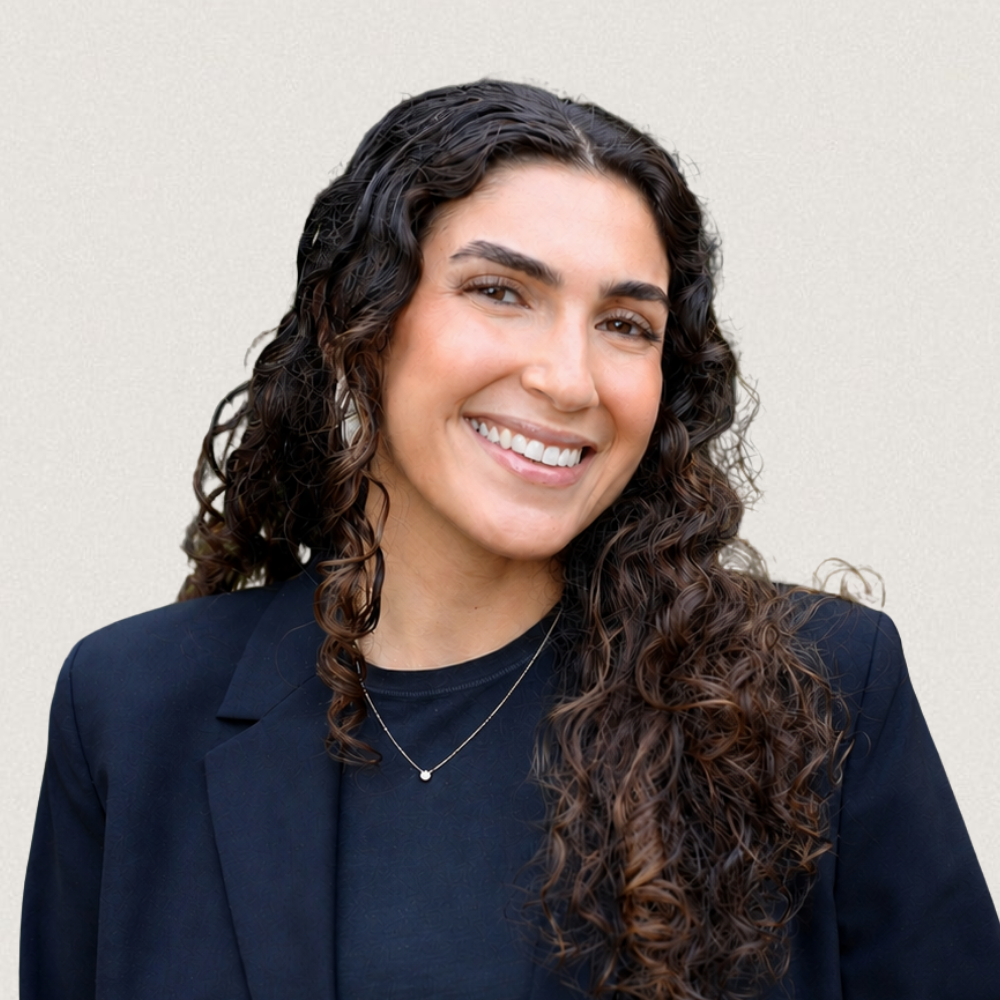
Jennifer Aghavian, LMSW
associate psychotherapist
Attachment-focused therapy for individuals and couples navigating anxiety, self-doubt, and relationship difficulties. Understand how past experiences, family or cultural expectations shape the way you relate to yourself and others.

Experience personalized therapy at our office in Nomad

Our office in Manhattan was intentionally designed to create a sense of comfort, privacy, and ease from the moment you walk through the door. Surrounded by refined interiors and a peaceful atmosphere, you'll find a space that encourages reflection, connection, and meaningful change.
All in-person sessions will take place in a warm, inviting space that will help you feel calm and centered for the work. The office is located in Nomad and easily accessible via the 1, 2, 3, N, R, W, B, D, F, M and 6 lines.
Connect With Us
Book a Consult
You can schedule an introductory conversation with our Clinical Director using the calendar below. During this conversation, we’ll learn more about what you’re looking for and help match you with the therapist on our team who best fits your needs.
If you prefer to connect directly with a therapist, explore our team bios and schedule a consultation with the therapist you’re most interested in working with.
E-mail Us
If you’re not quite ready to book a consultation, use the form below to introduce yourself and tell us a little about what you’re looking for.
You’ll hear from our Clinical Director within 24 business hours.
Based on what you share about your concerns, goals, preferences, availability and budget, we’ll recommend one or more therapists whose experience and approach may be a good fit and guide you through the next step.
Rewrite your story today.
You don't have to keep repeating the same patterns. Therapy can help you better understand what's driving them and create a different path forward. Let us help find the right therapist for you.