
Affair recovery counseling in NYC
Since you found out, nothing feels solid. The person you trusted most became the source of the deepest hurt, and now your mind won't stop replaying the discovery, scanning for new evidence, picturing things you never wanted to imagine. You might love them and be unable to look at them in the same hour. You might be the partner who broke the trust, carrying shame and desperate to repair something your apologies can't reach. Or you might both be standing in the wreckage, unsure whether this marriage ends here or begins again. Betrayal recovery therapy is structured help for exactly this moment.

Signs You May Benefit from Betrayal Recovery Therapy
You are living in the aftermath of infidelity or a serious breach of trust, such as an affair, emotional infidelity, financial deception, or a hidden life, and have not been able to regain your footing.
Questions Partners Often Ask After Betrayal:
"Can I ever trust them again or will I always be waiting for the next lie?"
"Why can't I stop picturing it, checking their phone, asking the same questions?"
"How could they do this and how did I not see it?"
"Should I stay or should I go?"
"Is it weak to stay? Is it giving up to leave?"
"Will I ever stop feeling this or feel like myself again?"
"I'm the one who broke the trust. Is there anything I can actually do?"


How Therapy Can Help
Betrayal is a trauma, and we treat it like one. The intrusive thoughts, hypervigilance, and emotional flooding you're experiencing are a nervous system responding to shattered safety. In structured couples work, the partner who betrayed learns to offer real repair: full honesty, non-defensive accountability, and consistent transparency over time. The betrayed partner gets room to rage, grieve, and ask the questions, with a therapist keeping the process safe for both of you. And if you're not sure the relationship should continue, we help you reach that decision with clarity instead of from panic.


The Atlas Approach
Our approach combines research-backed methods that address both the trauma of betrayal and the practical work of rebuilding trust.
Each therapy session is customized to your needs, and may include:
Structured trust-rebuilding work — phased repair grounded in the Gottman Method, moving through genuine atonement, re-attunement to each other's inner worlds, and renewed attachment
Processing the betrayal trauma itself: somatic and parts-informed tools to calm hypervigilance, reduce intrusive images, and steady the betrayed partner's nervous system
Rebuilding communication around the hardest conversations — the questions, the disclosures, the triggers
You'll leave with a clear repair process instead of chaos, tools for triggered moments, and — whichever future you choose — trust in your own judgment again.
Our work together uses modalities such as the Gottman Method, Emotionally Focused Therapy (EFT), and discernment counseling for couples deciding whether to stay together.
Results after therapy
Many couples complete betrayal recovery work in 15–20 sessions, though deeper and repeated ruptures will likely take longer. Clients report:

Steadiness in Yourself
The intrusive images and obsessive checking, quieted
A more regulated nervous system
Self-trust restored: confidence in your own perceptions and judgment again
Truth Between You
Accountability without defensiveness
An understanding of how the betrayal happened — not as an excuse, but as protection against it recurring
A Future You Chose
A clear, deliberate decision about the relationship — made from clarity, not fear
For couples who stay: a rebuilt relationship many describe as stronger and more honest than before the betrayal
For those who part: an ending with dignity, closure, and far less carried baggage
Frequently Asked Questions
-
Yes — and not just survive. Research and our clinical experience both show that couples who do structured recovery work can rebuild relationships that are more honest and more connected than before, because the rebuilt version rests on truth rather than assumption. It requires real work from both partners. Not every relationship should continue — but far more can heal than most people believe in the first weeks after discovery.
-
Because betrayal is a trauma. Intrusive images, compulsive checking, and hypervigilance are your brain's alarm system trying to prevent another ambush — not weakness, not craziness, and not something you can simply decide to stop. Treating it as trauma is exactly why it gets better.
-
Yes, and their work is essential. Rebuilding trust requires the partner who betrayed to develop genuine accountability, understand what led to their choices, tolerate their partner's pain without defensiveness, and sustain transparency long enough for safety to regrow. We support that work without shaming — shame produces hiding, and hiding is what broke things.
-
Often both. Couples sessions hold the repair and rebuilding; individual sessions give the betrayed partner space to process trauma and the involved partner space to understand their own patterns. We'll help you figure out the right structure in your consultation.
-
Yes. Discernment counseling is designed for exactly this — a structured, time-limited process to reach a clear decision about the relationship's future, without pressure toward either answer.
-
Sooner is better. The weeks after discovery are when the most damage compounds — interrogations at 2am, disclosures that come out in fragments, decisions made in panic. Early structure protects you both. That said, it's never too late; we also work with couples years past an affair that was never fully repaired.
-
Betrayal recovery is one of the most common reasons couples choose an intensive. Two days of focused work can stabilize the crisis, get the full story into the room safely, and begin structured repair — accomplishing months of weekly therapy when you don't have the capacity to wait. Many couples then continue with weekly sessions.
-
Many couples complete the work in 15–20 sessions; recovery from long-term or repeated betrayals can take longer. Relief from the acute crisis — the flooding, the chaos, the constant fighting — typically comes much sooner.
-
Book a free consultation call — alone or together. We'll listen to where things stand and recommend the right starting point, whether that's couples work, individual support, or an intensive.
Meet our Therapists
-

Janine Cheng, LCSW
Founder + Clinical Director
Culturally responsive therapy for perfectionists, people-pleasers, stressed couples, and strained families. Structured, and goal-oriented in a warm and supportive setting.
-
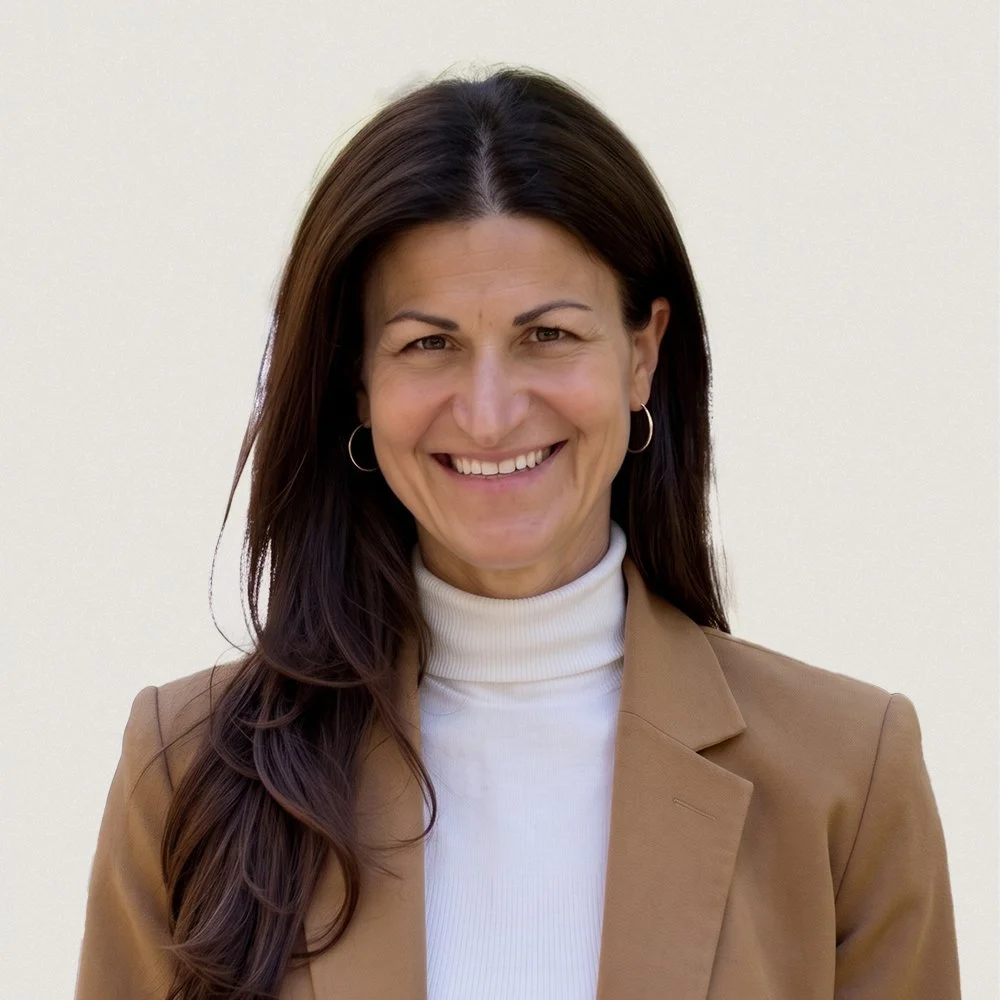
Dr. Lisa Cordero, PsyD, LMHC, LPC
Psychotherapist
Active, goal-oriented therapy for individuals, couples, and families — insight into why you're stuck, and concrete tools to change it.
-

Donna Hahn, LMSW
Associate Psychotherapist
Therapy for first-generation adults, perfectionists, and high achievers who are ready to put down the mask, quiet the replaying mind, and hear their own voice again.
-
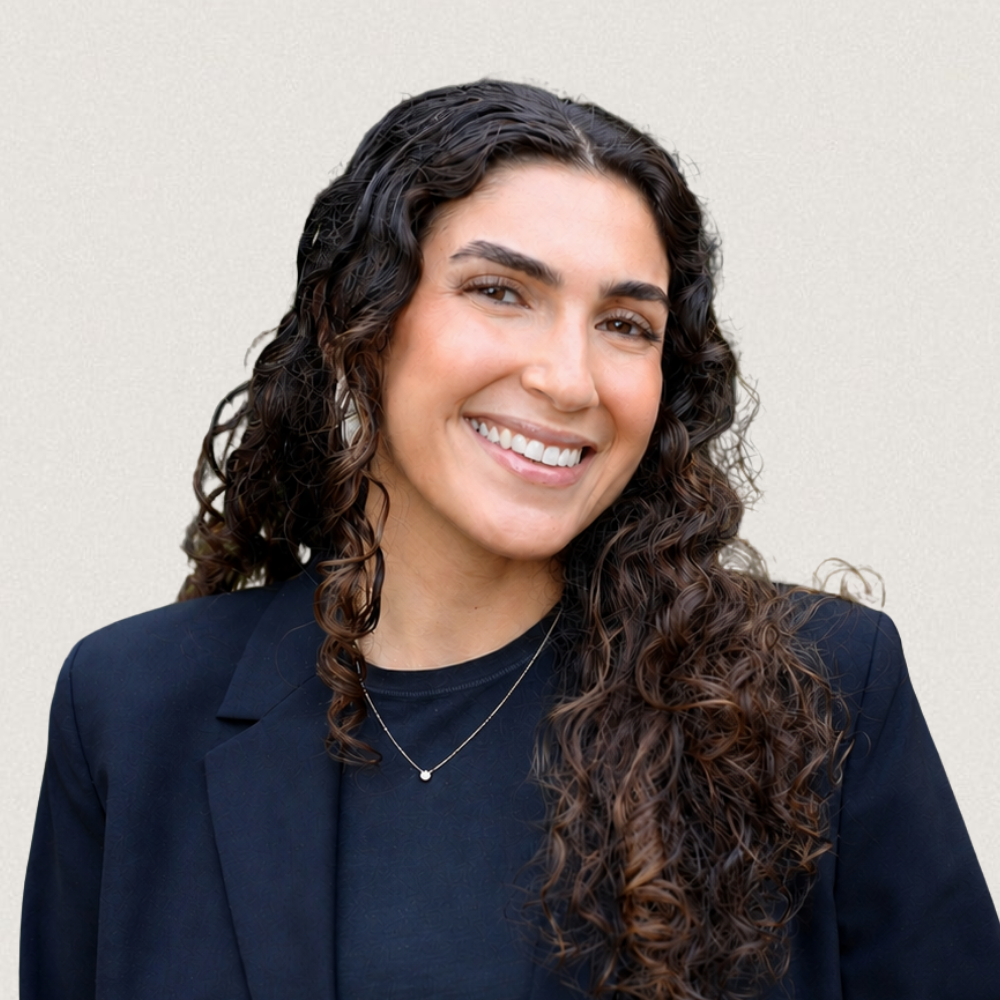
Jennifer Aghavian, LMSW
associate psychotherapist
Attachment-focused therapy for individuals and couples navigating anxiety, self-doubt, and relationship difficulties. Understand how past experiences, family or cultural expectations shape the way you relate to yourself and others.
Experience personalized therapy at our office in Nomad

Our office in Manhattan was intentionally designed to create a sense of comfort, privacy, and ease from the moment you walk through the door. Surrounded by refined interiors and a peaceful atmosphere, you'll find a space that encourages reflection, connection, and meaningful change.
All in-person sessions will take place in a warm, inviting space that will help you feel calm and centered for the work. The office is located in Nomad and easily accessible via the 1, 2, 3, N, R, W, B, D, F, M and 6 lines.
Connect With Us
Book a Consult
You can schedule an introductory conversation with our Clinical Director using the calendar below. During this conversation, we’ll learn more about what you’re looking for and help match you with the therapist on our team who best fits your needs.
If you prefer to connect directly with a therapist, explore our team bios and schedule a consultation with the therapist you’re most interested in working with.
E-mail Us
If you’re not quite ready to book a consultation, use the form below to introduce yourself and tell us a little about what you’re looking for.
You’ll hear from our Clinical Director within 24 business hours.
Based on what you share about your concerns, goals, preferences, availability and budget, we’ll recommend one or more therapists whose experience and approach may be a good fit and guide you through the next step.
Rewrite your story today.
You don't have to keep repeating the same patterns. Therapy can help you better understand what's driving them and create a different path forward. Let us help find the right therapist for you.