
Therapy for premarital counseling in NYC
As you transition from dating or being in a committed partnership to preparing for marriage, you may be grappling with a wide range of challenges that you did not anticipate. You may have differences in values, expectations, communication styles, or emotional needs. Understanding these issues before marriage and planning how to tackle them as a team can make the difference between a strong foundation and a tumultuous path.

Signs You May Benefit from Premarital Counseling
You don't need to be struggling to benefit from premarital counseling — many couples who come to us are doing well and want to build on that foundation. Others notice early friction around money, family, or communication and want to address it before the wedding rather than after. Either way, certain signs suggest the work will be especially valuable.
Questions Engaged Couples Often Ask:
"How do we know we're really ready?"
"Is it normal to fight this much while planning a wedding?"
"What happens when we disagree about money, kids, or religion and neither of us budges?"
"How do we handle two families with very different expectations?"
"One of us needs to talk everything out and the other needs space — will that always be a problem?"
"Are these doubts just cold feet, or something I should listen to?"
"We're great now; how do we make sure we stay this way?"


How Therapy Can Help
With your therapist, you'll map how each of you learned to handle conflict, love, and money -when you marry each other, you're also merging two family blueprints-and learn the research-backed skills that distinguish marriages that last: how to fight, repair after ruptures, and stay connected under stress. You'll get ahead of the classic pressure points, finances, in-laws, career, children, intimacy, cultural and religious differences, while they're still conversations. And if doubts are present, therapy offers a safe place to examine them honestly, so you walk down the aisle with clarity.


The Atlas Approach
Our approach combines research-backed methods that address both the practical decisions and the emotional foundation of your marriage.
Each session is customized to your relationship, and may include:
Mapping your conflict styles and attachment patterns — the pursuer and the withdrawer, the talker and the processor — and learning to reach for each other instead of repeating the cycle
Structured conversations about the big six: money, family and in-laws, children and parenting, career and ambition, intimacy, and cultural or religious traditions
Building your shared blueprint: the values, rituals, and agreements that will define your marriage — including how you'll handle the disagreements you can't yet predict
You'll leave with communication and repair skills that last decades, explicit agreements on the topics that sink most marriages, and even more confidence in the choice you've made.
Our work together uses modalities such as the Gottman Method and Emotionally Focused Therapy (EFT).
Client Testimonials
Results after therapy
Many couples complete premarital counseling in 8–12 sessions and report:

Skills Before You Need Them
The ability to de-escalate and repair
A shared language for conflict: what triggers each of you, and what actually helps
Connection habits that stand the test of time
Agreements Instead of Assumptions
The money, kids, in-laws, and career conversations
A united front for navigating both families' expectations
Cultural, religious, and family traditions woven into your marriage
Confidence in Your Choice
Doubts examined honestly and put to rest — or heard, if they needed hearing
A deeper understanding of who you're marrying and how they love
Frequently Asked Questions
-
No — it's preventive, not corrective. The strongest predictor of marital success isn't the absence of conflict; it's how couples handle it, and those skills are learnable.
-
The opposite. Choosing to work on your marriage before it needs work is one of the healthiest signals a couple can send. Many of our premarital couples are doing beautifully — they intend to keep it that way.
-
The ones research says matter most: communication and conflict style, money and financial values, children and parenting philosophy, family and in-law expectations, intimacy, career ambitions, and cultural or religious traditions. You can also bring anything specific to you — a recurring argument, a doubt, a topic you keep avoiding.
-
Yes — intercultural and interfaith couples are a core part of our practice, including deep experience with Asian and immigrant family dynamics. We'll help you honor both heritages while building traditions that belong to the two of you, and present a united front to families who may have their own opinions about how this marriage should look.
-
Some anxiety before a lifetime commitment is human; persistent doubts you're afraid to say out loud deserve attention. Counseling gives doubts a safe place to be examined — most turn out to be fears wanting reassurance, and if something more serious surfaces, far better to face it now, together, with support.
-
Ideally 6–12 months before the wedding, so nothing competes with the final crunch. But there's no wrong time — including before the proposal. Couples who want to explore whether to get engaged are just as welcome.
-
Most couples find it does the opposite — one hour a week that's about the marriage rather than the wedding tends to be the calmest hour they get. The planning conflicts themselves (budget, guest list, families) make excellent practice material.
-
Many couples complete the work in 8–12 sessions. Some come for a shorter focused series; others continue into the first year of marriage, which is its own adjustment worth supporting.
-
Book a free consultation call. We'll hear what you're hoping for and match you with the right couples therapist — congratulations, by the way.
Meet our Therapists
-

Janine Cheng, LCSW
Founder + Clinical Director
Culturally responsive therapy for perfectionists, people-pleasers, stressed couples, and strained families. Structured, and goal-oriented in a warm and supportive setting.
-
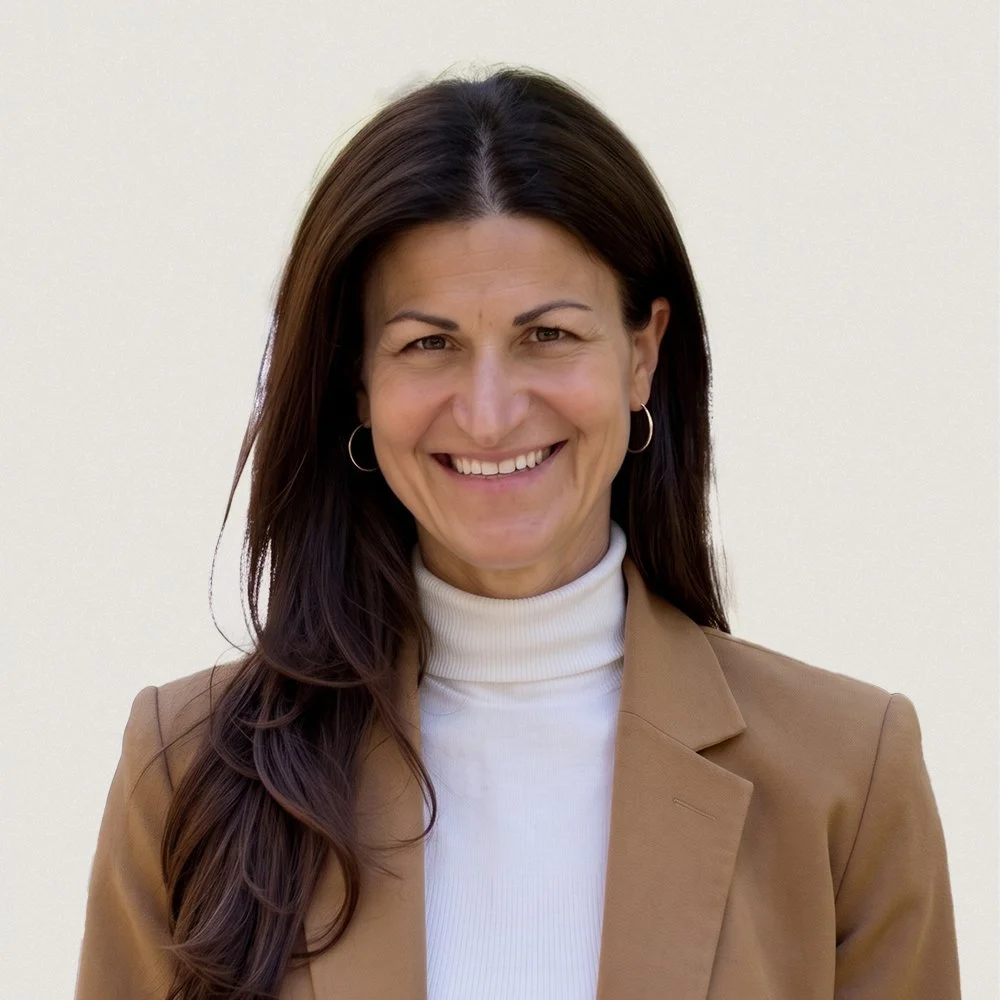
Dr. Lisa Cordero, PsyD, LMHC, LPC
Psychotherapist
Active, goal-oriented therapy for individuals, couples, and families — insight into why you're stuck, and concrete tools to change it.
-

Donna Hahn, LMSW
Associate Psychotherapist
Therapy for first-generation adults, perfectionists, and high achievers who are ready to put down the mask, quiet the replaying mind, and hear their own voice again.
-
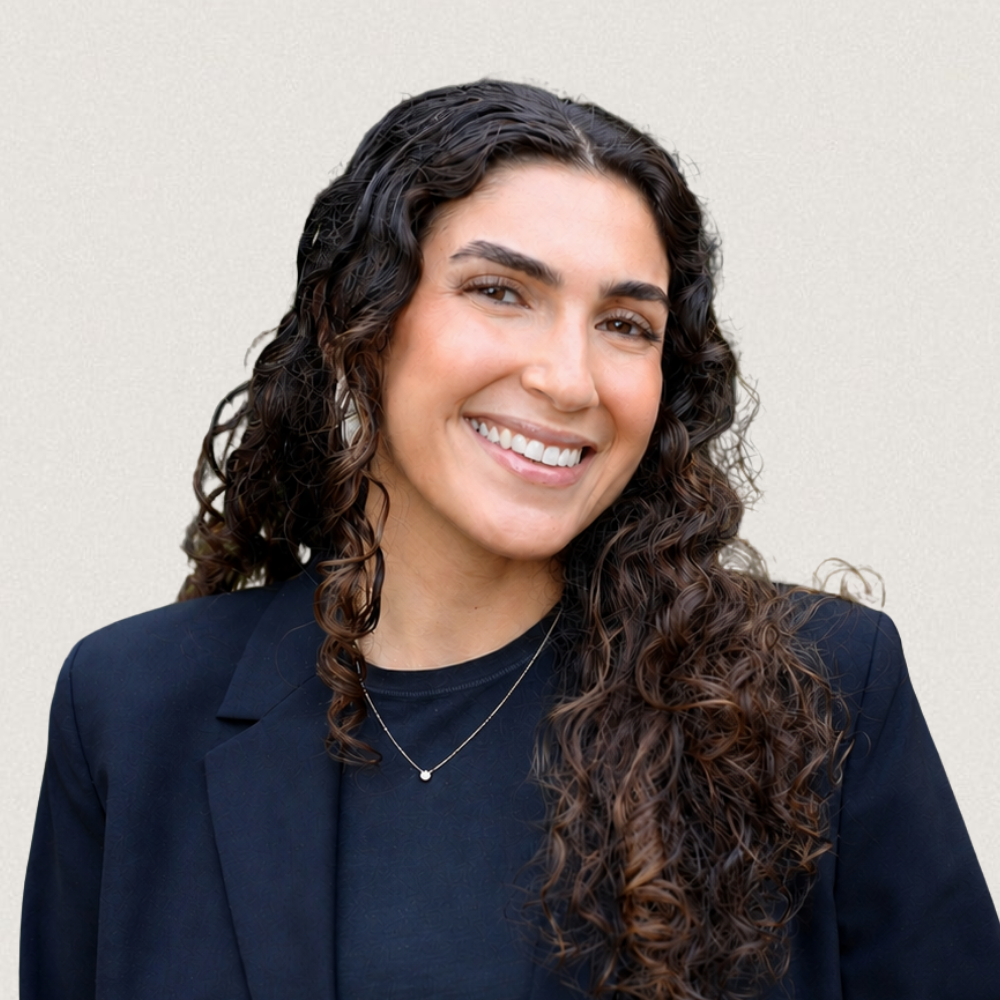
Jennifer Aghavian, LMSW
associate psychotherapist
Attachment-focused therapy for individuals and couples navigating anxiety, self-doubt, and relationship difficulties. Understand how past experiences, family or cultural expectations shape the way you relate to yourself and others.

Experience personalized therapy at our office in Nomad

Our office in Manhattan was intentionally designed to create a sense of comfort, privacy, and ease from the moment you walk through the door. Surrounded by refined interiors and a peaceful atmosphere, you'll find a space that encourages reflection, connection, and meaningful change.
All in-person sessions will take place in a warm, inviting space that will help you feel calm and centered for the work. The office is located in Nomad and easily accessible via the 1, 2, 3, N, R, W, B, D, F, M and 6 lines.
Connect With Us
Book a Consult
You can schedule an introductory conversation with our Clinical Director using the calendar below. During this conversation, we’ll learn more about what you’re looking for and help match you with the therapist on our team who best fits your needs.
If you prefer to connect directly with a therapist, explore our team bios and schedule a consultation with the therapist you’re most interested in working with.
E-mail Us
If you’re not quite ready to book a consultation, use the form below to introduce yourself and tell us a little about what you’re looking for.
You’ll hear from our Clinical Director within 24 business hours.
Based on what you share about your concerns, goals, preferences, availability and budget, we’ll recommend one or more therapists whose experience and approach may be a good fit and guide you through the next step.
Rewrite your story today.
You don't have to keep repeating the same patterns. Therapy can help you better understand what's driving them and create a different path forward. Let us help find the right therapist for you.